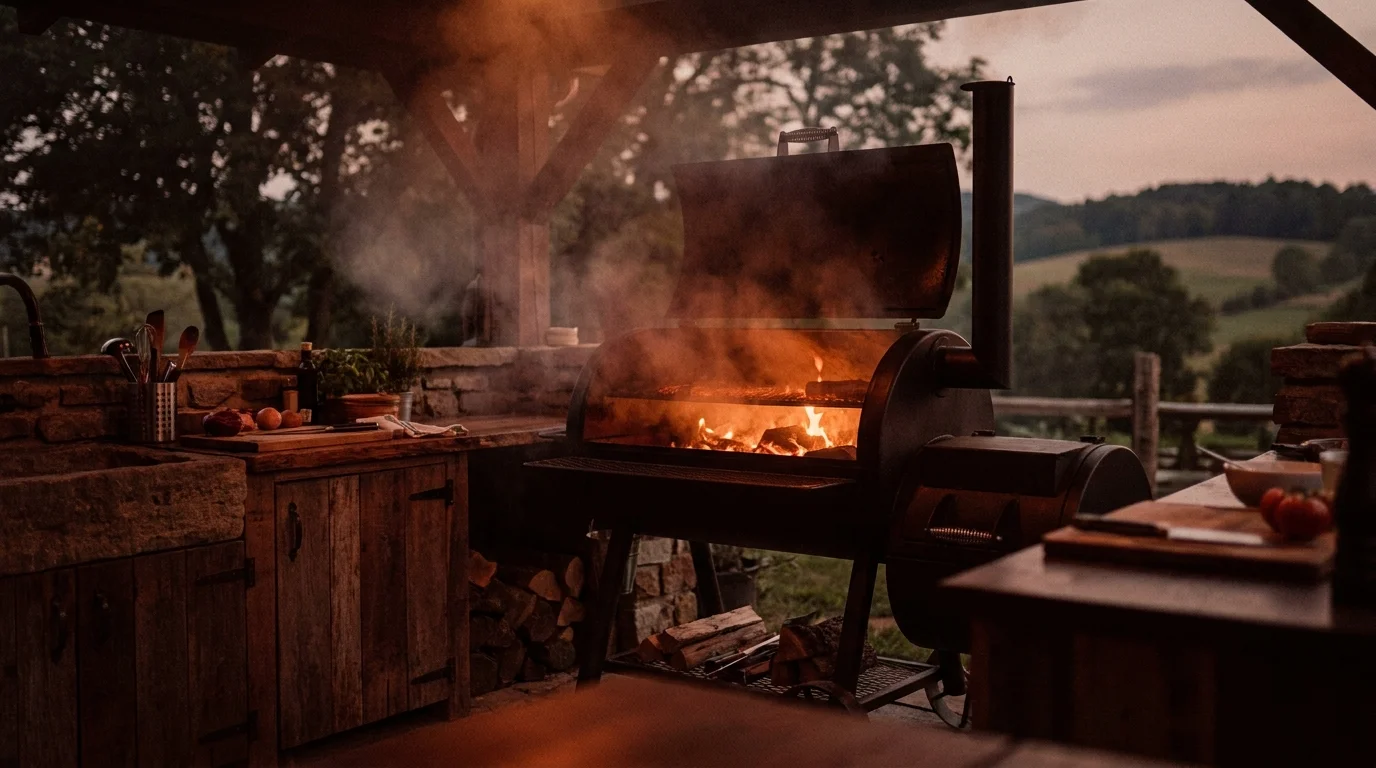
Fire · Smoke · Iron — tested
Grill Granary sorts through burners, grates, pellets, thermometers, and tools so you can choose gear that fits your cook style, your space, and your budget.
Editor’s Top Picks
Three standouts that earned the highest marks across searing, smoking, and everyday reliability.
The Full Catalog
Filter by brand, category, or rating — or search by name to find your next cook’s centerpiece.
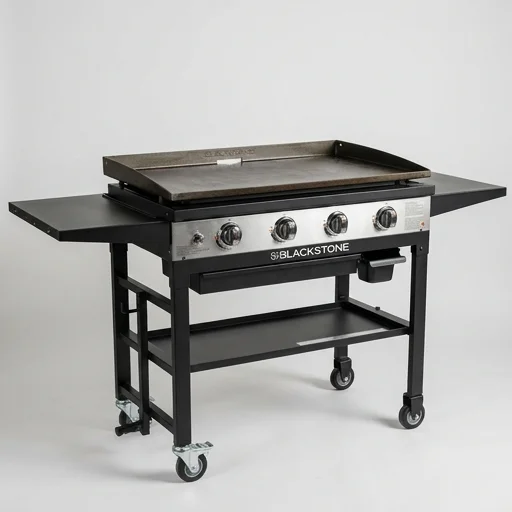
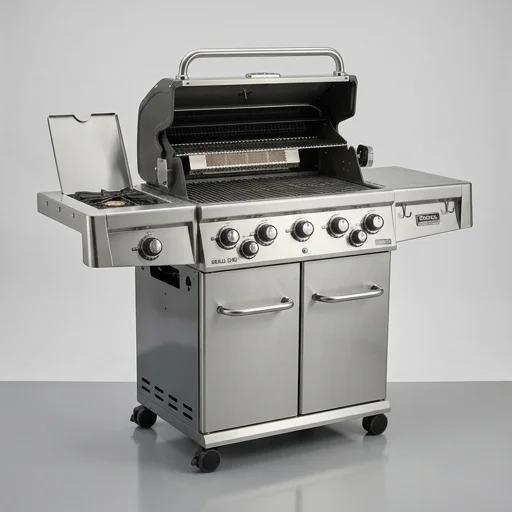
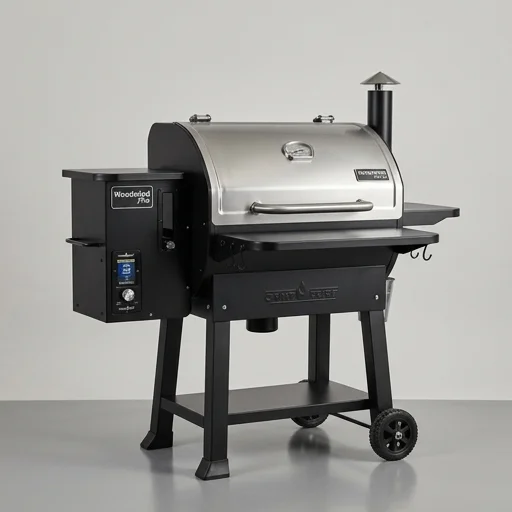
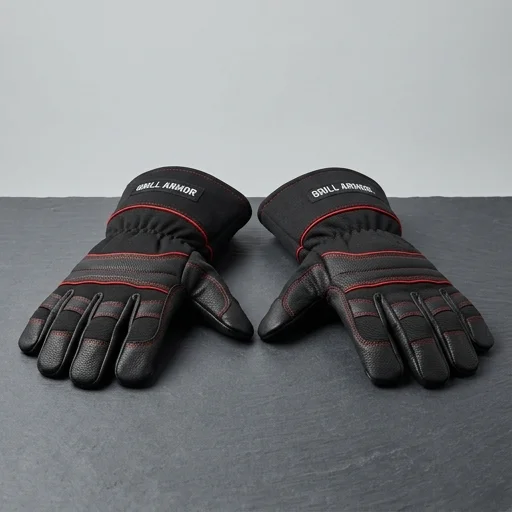
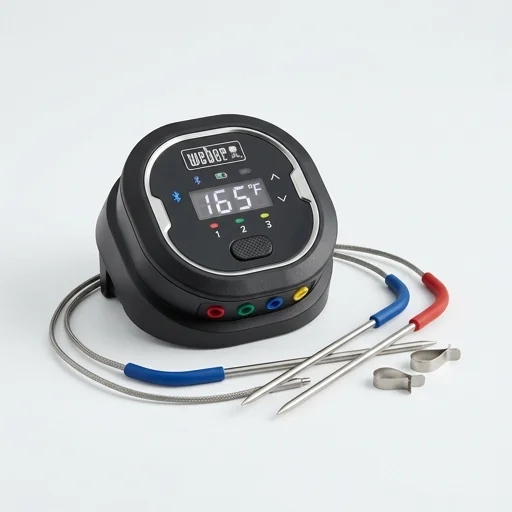
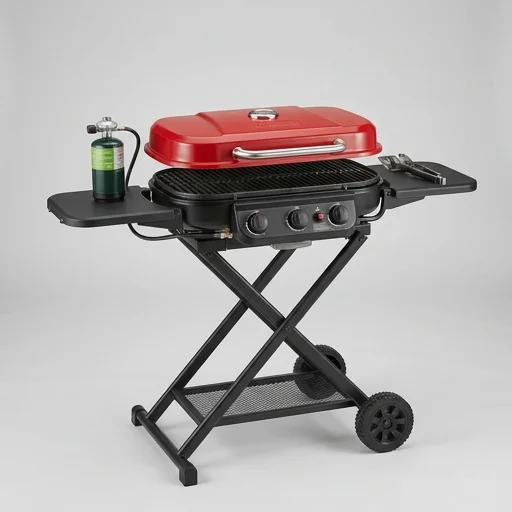
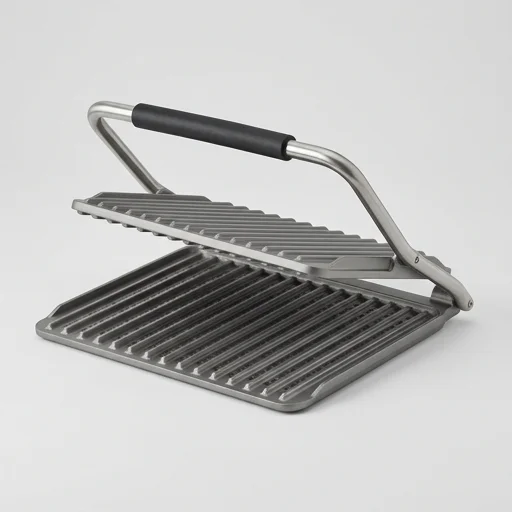
Head to head
See how our highest-rated cookers and tools stack up on heat control, build quality, weight, and real-world usability.
| Rank | Product | Category | Rating | Material | Weight | Pros / Cons | Review |
|---|---|---|---|---|---|---|---|
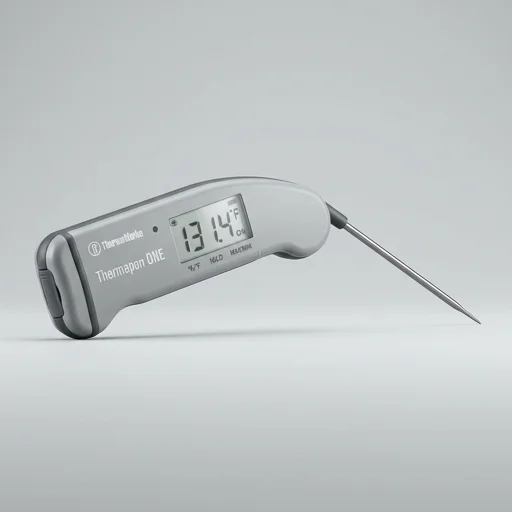
| 🥇 | ThermoWorks Thermapen One ThermoWorks | Instant-Read Thermometer | 4.8/5.0 | Polycarbonate + steel probe | 3.2 oz | +6 / -1 | Read review |
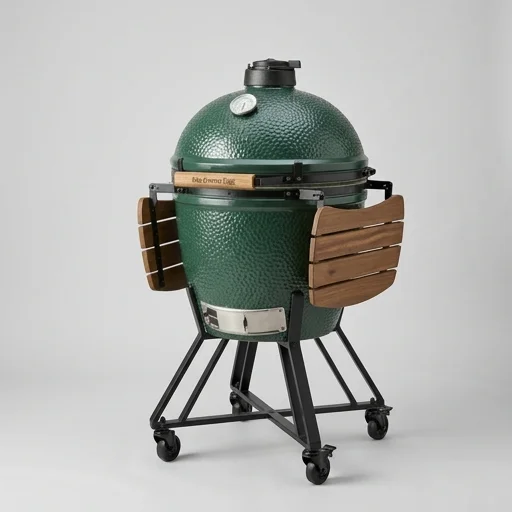
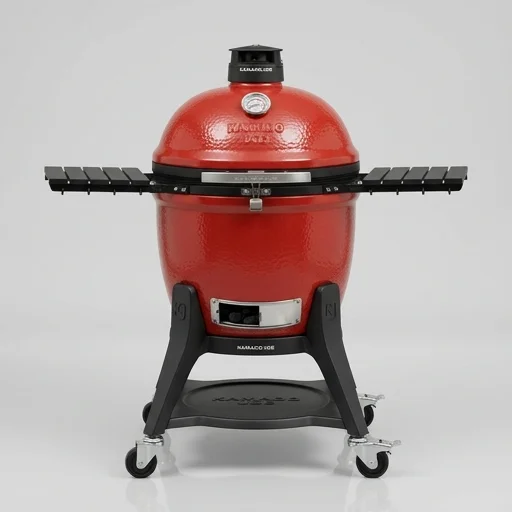
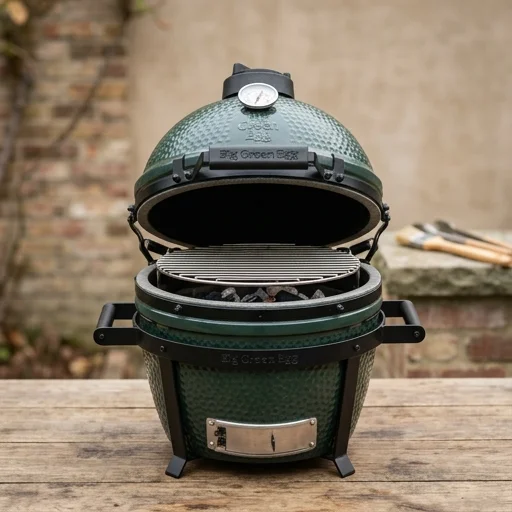
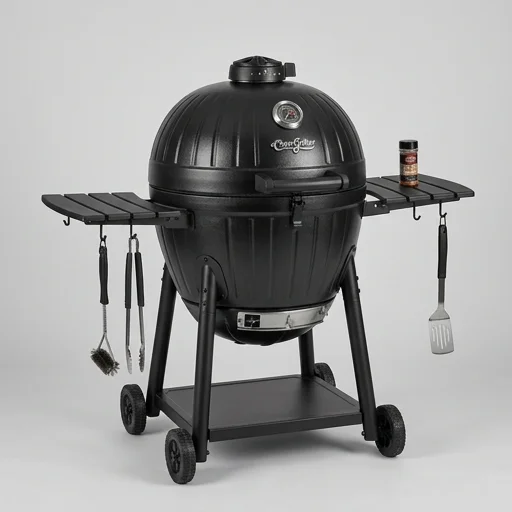
| 🥈 | Big Green Egg Large (Kamado Grill) Big Green Egg | Kamado Grill | 4.7/5.0 | High-fired ceramic | 162 lb | +6 / -3 | Read review |
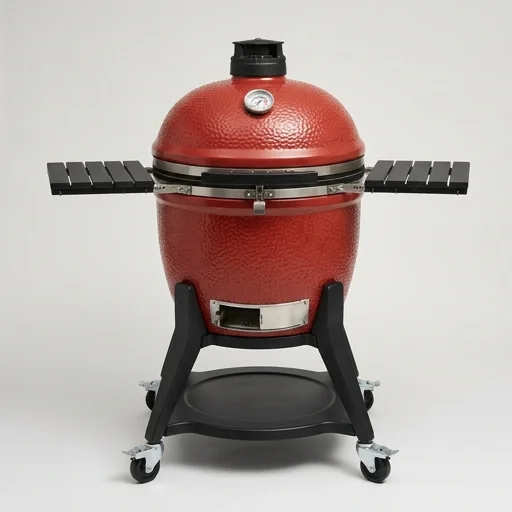
| 🥉 | Kamado Joe Big Joe III Kamado Joe | Kamado Grill | 4.7/5.0 | Thick-walled ceramic | 390 lb | +6 / -3 | Read review |
| #4 | Kamado Joe Classic III Kamado Joe | Kamado Grill | 4.7/5.0 | Thick-walled ceramic | 250 lb | +6 / -3 | Read review |
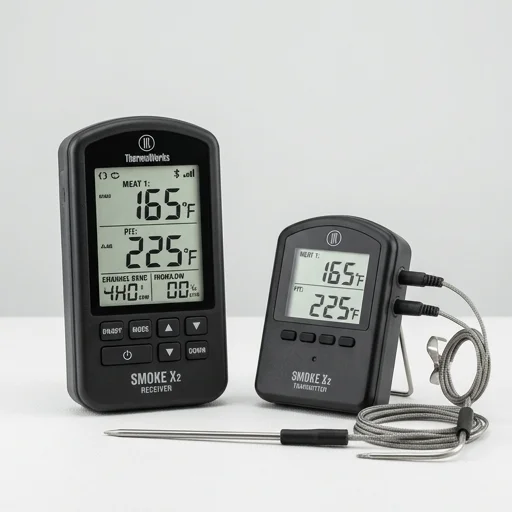
| #5 | ThermoWorks Smoke X2 Wireless Thermometer ThermoWorks | Wireless Thermometer | 4.7/5.0 | Steel construction | — | +5 / -2 | Read review |
Find your cook style
There’s no single best grill — only the best one for your flavor, patience, and budget. Tap a fuel type to see where it shines.
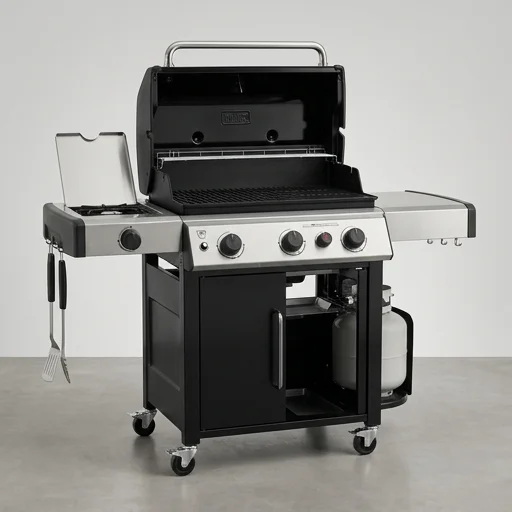
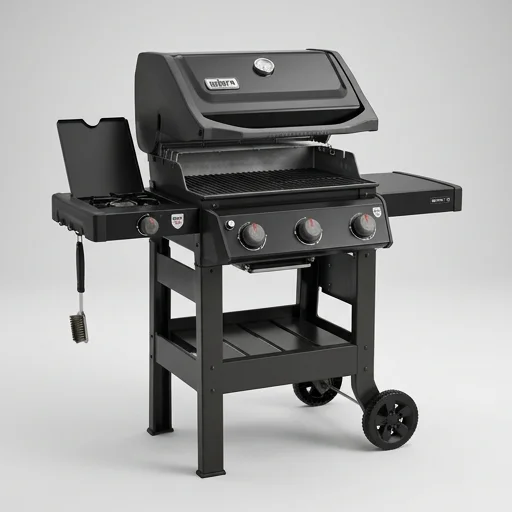
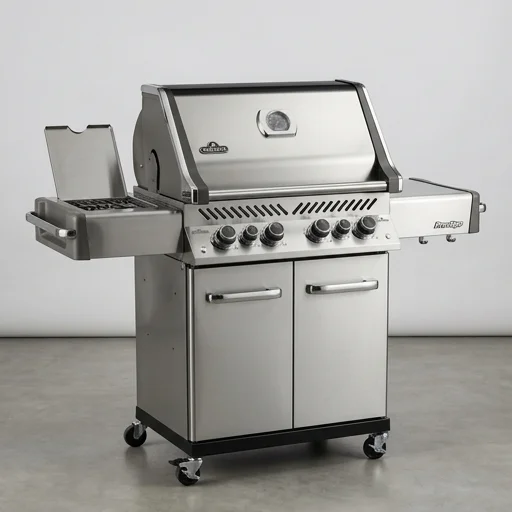
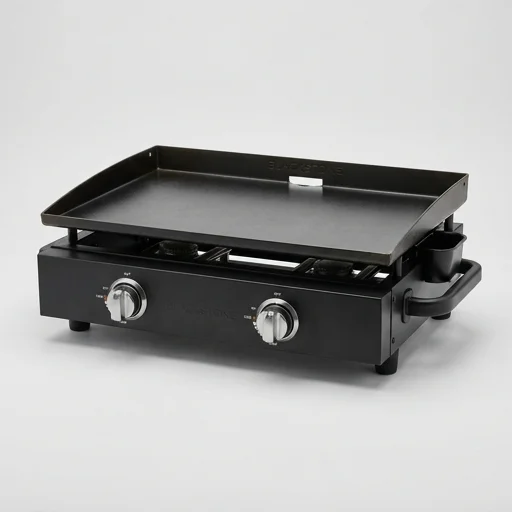
Propane and natural-gas grills light in seconds and hold steady heat with a turn of a dial — the go-to for fast weeknight dinners and effortless cleanup.
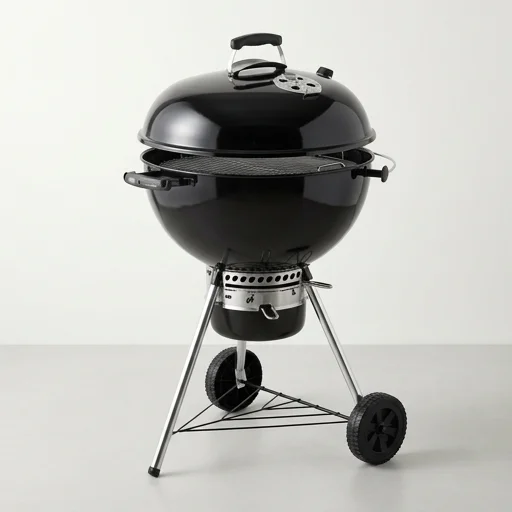
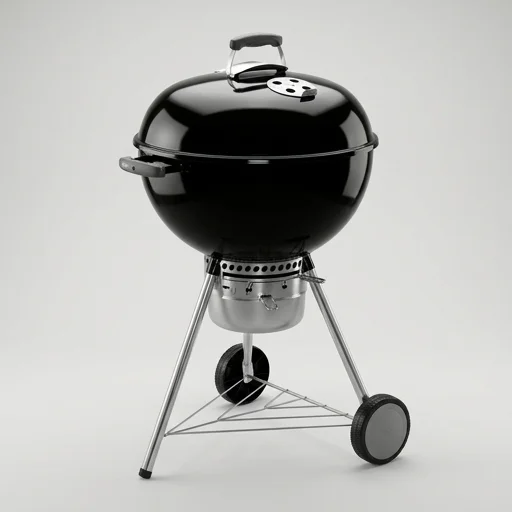
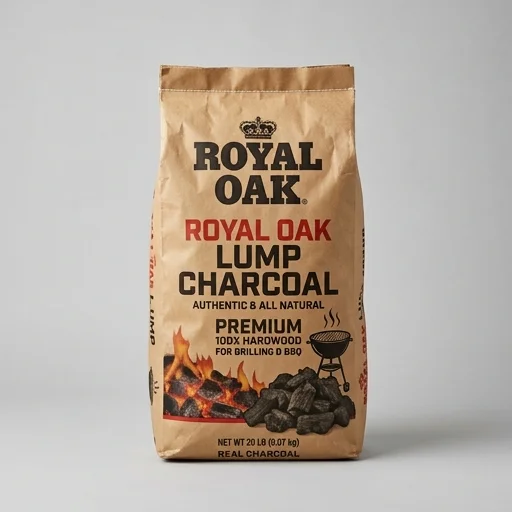
Lump and briquette grills reward a little patience with unmistakable live-fire flavor and searing heat that gas simply can’t match.
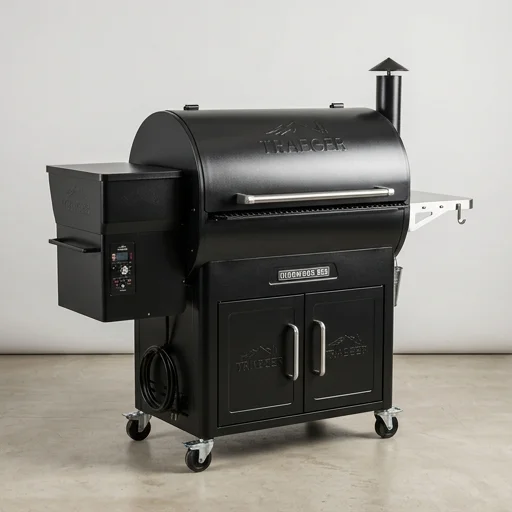
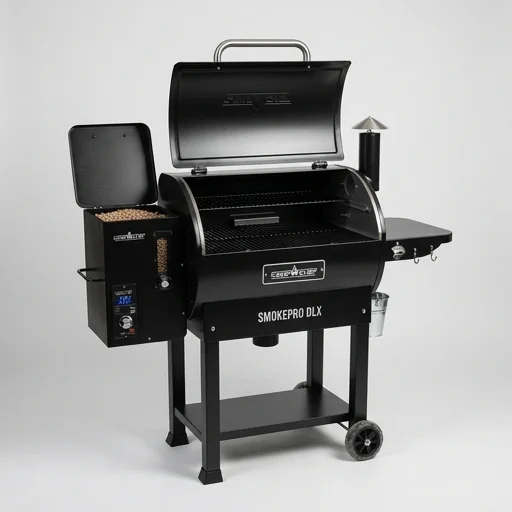
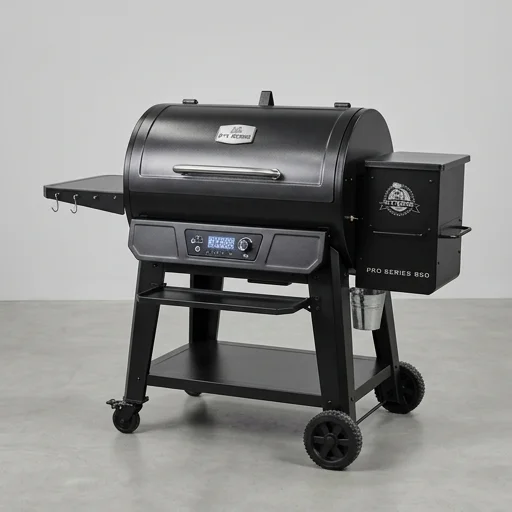
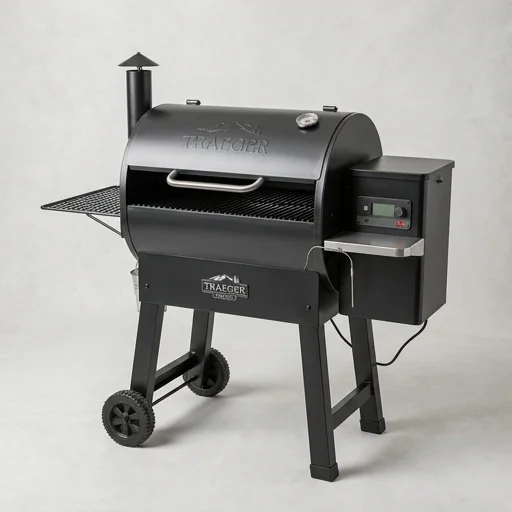
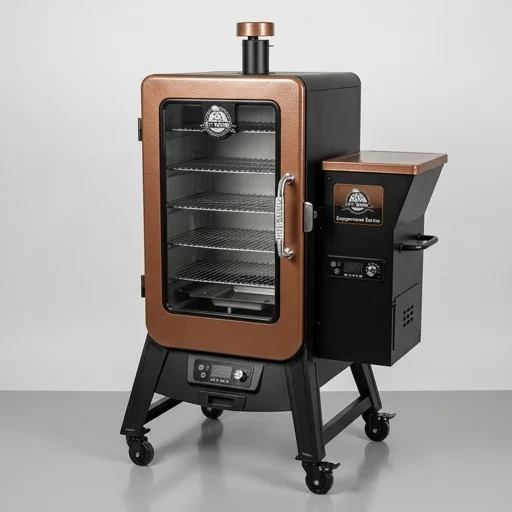
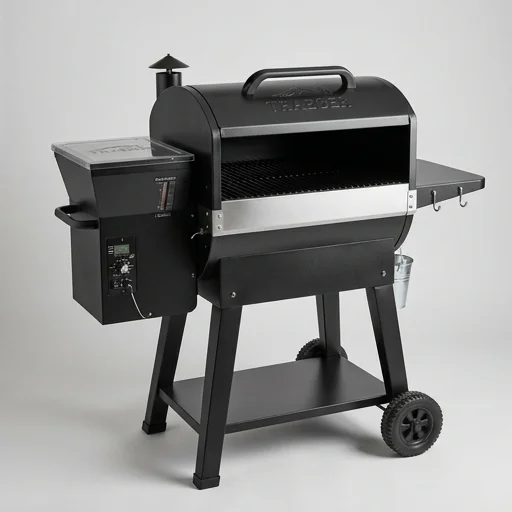
Hardwood-pellet cookers automate the fire with a digital controller, making set-and-forget low-and-slow barbecue genuinely approachable.
Thick ceramic walls lock in heat and moisture, so a single cooker sears at 700°F or holds 225°F for a twelve-hour smoke.
Before you buy
Start with the way you like to cook: direct high heat, low-and-slow smoking, or a mix of both. From there, weigh build quality, temperature control, cooking area, fuel type, ease of cleaning, and whether the footprint fits your space. If you cook for a crowd, size and heat consistency matter most; if you cook casually, convenience wins.
Gas is the most convenient for weeknight cooks. Charcoal delivers classic smoky flavor with a bit more work. Pellet grills automate low-and-slow smoking with set-and-forget controls. Kamado ceramics excel at both searing and long smokes thanks to superb heat retention. Match the fuel to how often — and how patiently — you like to cook.
Very, if you want repeatable results. Good temperature control helps with everything from burgers to twelve-hour briskets, while strong heat retention makes cooking more efficient and stable. The easier a cooker is to hold at a target temperature, the easier it is to avoid flare-ups, cold spots, and undercooked food.
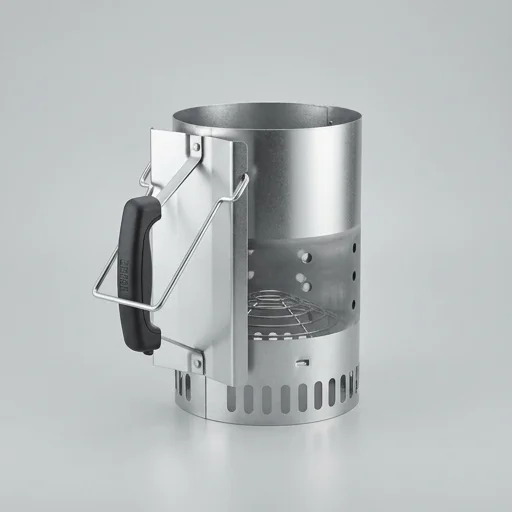
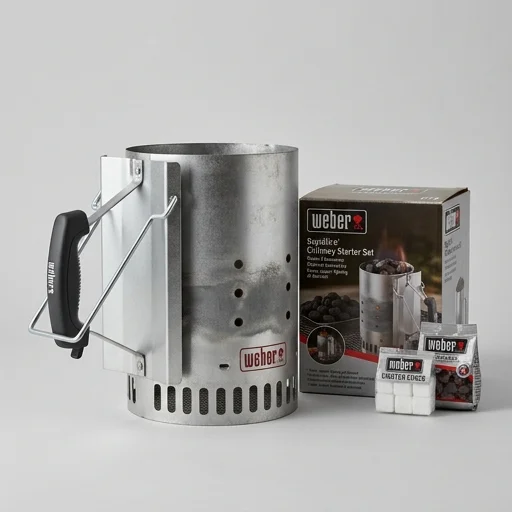
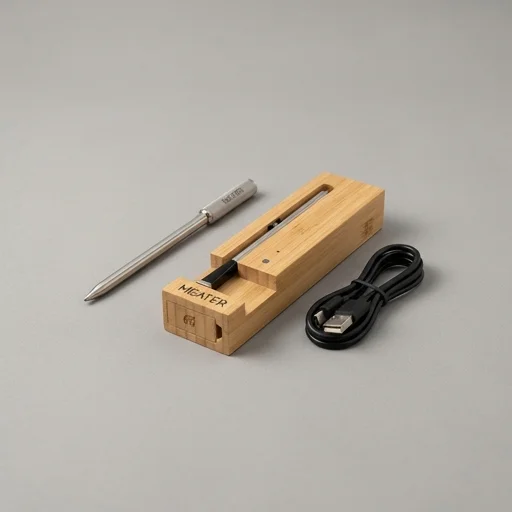
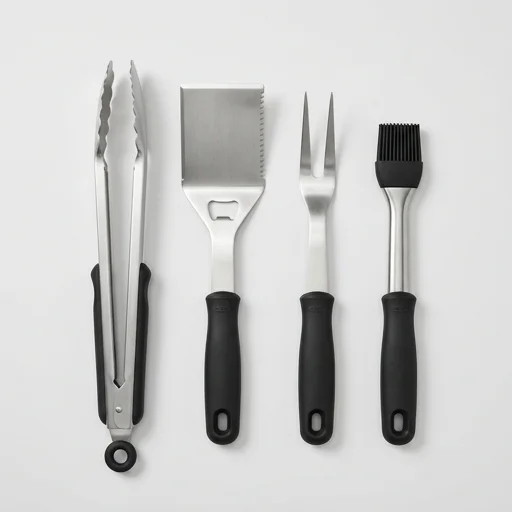
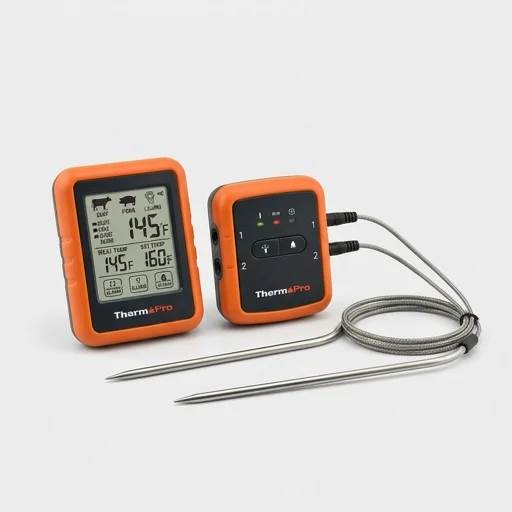
A reliable instant-read thermometer is the single highest-impact upgrade. After that, a chimney starter, quality tongs and a spatula, a grill cover, and heat-resistant gloves cover most needs. Nail temperature and technique first, then add extras that make prep and cleanup easier.
Value is about balance, not the lowest price. Compare materials, cooking capacity, temperature control, included features, and warranty against how you actually cook. A pricier cooker can be the better value if it is more durable or far easier to use for your style.
No. Most modern grills and smokers are beginner-friendly. The fundamentals that matter are basic temperature management, using a good thermometer, and picking equipment that matches your patience level. Start simple, and dial in one cooking style before chasing every technique.